


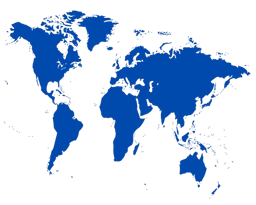
Continents and Oceans
Geography ⇒ World Geography
Continents and Oceans starts at 6 and continues till grade 12.
QuestionsToday has an evolving set of questions to continuously challenge students so that their knowledge grows in Continents and Oceans.
How you perform is determined by your score and the time you take.
When you play a quiz, your answers are evaluated in concept instead of actual words and definitions used.
See sample questions for grade 10
Describe the difference between an ocean and a sea.
Explain the significance of the International Date Line in relation to continents and oceans.
Explain why Antarctica is called a 'cold desert'.
Explain why the Pacific Ocean is prone to earthquakes and volcanic eruptions.
List all the continents in order of their size, starting from the largest.
Name the ocean that is almost completely covered by ice for most of the year.
Name the ocean that is located to the east of Africa.
Name the ocean that surrounds Antarctica.
Name the only continent that does not have a desert.
The equator passes through which continents?
The Pacific Ocean is bounded by which continents?
Which continent has the highest population density?
Which continent is both a country and a continent?
Which continent is called the 'New World'?
Which continent is known as the 'cradle of civilization'?
Which continent is known as the 'Land Down Under'?
Which continent is known for having the largest number of countries?
Which continent is known for the Amazon Rainforest?
Which ocean is known as the 'hottest ocean'?
Which ocean is located at the North Pole?
