


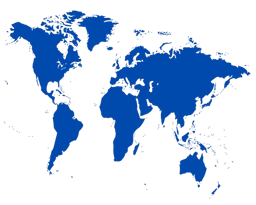
World Political Divisions
Geography ⇒ World Geography
World Political Divisions starts at 6 and continues till grade 12.
QuestionsToday has an evolving set of questions to continuously challenge students so that their knowledge grows in World Political Divisions.
How you perform is determined by your score and the time you take.
When you play a quiz, your answers are evaluated in concept instead of actual words and definitions used.
See sample questions for grade 10
Describe the term 'autonomous region' and give an example.
Describe the term 'border dispute' and give one example.
Describe the term 'sovereignty' in the context of world political divisions.
Explain the concept of 'buffer state' with an example.
Explain the difference between a 'federal' and a 'unitary' system of government.
Explain the difference between a 'state' and a 'country' in political geography.
Explain why political divisions are important for governance and administration.
Explain why some countries have exclaves.
Name any two countries that share the longest international land border.
Name the smallest country in the world by area.
What is meant by the term 'political division' in world geography?
What is the main purpose of political boundaries?
